By Elle Cree
Self-care, healing, and the long road home
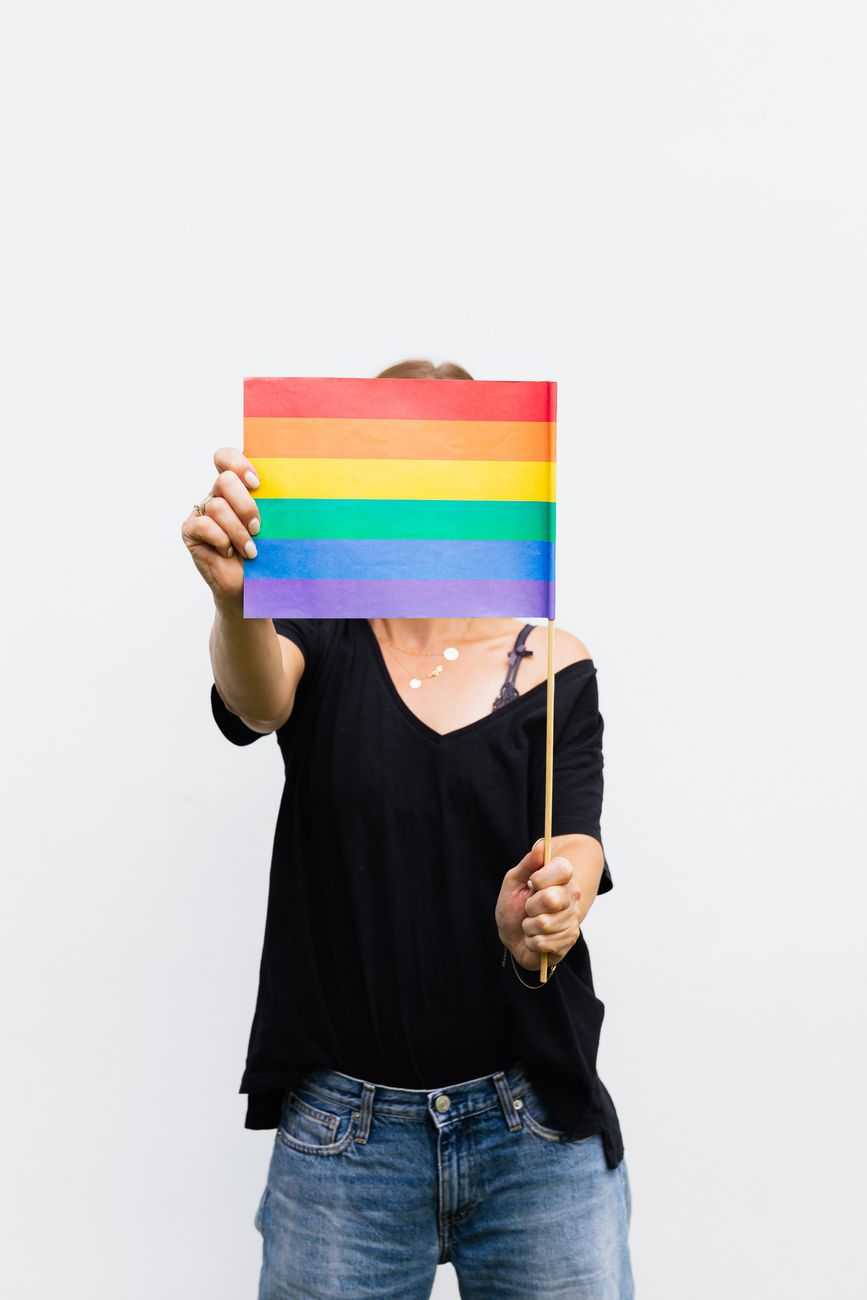
Most of the rainbows we chase lead back to ourselves.
We spend our lives searching for the pot of gold at the end of them, convinced that happiness is waiting somewhere beyond the next hill. We look for it in love, work, service to others, recognition, and belonging. We tell ourselves that once we have found our purpose, built meaningful relationships, achieved our goals, or finally been accepted for who we are, we will be able to rest.
But what if the pot of gold was never somewhere else?
What if we are the treasure we have been searching for all along?
There is a saying that all paths lead back to home. We tend to think of home as a place, a building, or the people who welcome us through a door. But there is another kind of home, one we carry with us everywhere and sometimes spend a lifetime learning to embrace: ourselves.
For those of us navigating difficult seasons of life, finding our way home can be one of the most meaningful journeys we undertake. Sometimes, it is also the journey that saves us.
When self-care becomes survival
We often talk about self-care as though it is something everyone can easily afford: quiet mornings, long walks, a good meal, a warm bath, or time spent doing something we love. These things have value, but self-care goes much deeper than pleasant activities. It begins with recognizing our needs and treating ourselves with the same consideration we extend to others.
Sometimes self-care is getting out of bed, eating something nourishing, resting without guilt, or giving ourselves permission to accomplish less than we planned. Sometimes it is asking for help when we can no longer carry everything alone.
And sometimes it means taking life one moment at a time.
For someone experiencing profound emotional pain or thoughts of suicide, these small acts can carry enormous significance. When the future feels impossible to imagine, we do not need to have every answer. We need care, connection, and the possibility that another chapter remains unwritten.
Self-care is not always about feeling better immediately. Sometimes it is about giving ourselves the time, support, and safety we need to keep going until feeling better becomes possible.
Charity starts at home
Many of us have learned to measure our worth by what we do for other people. We become the dependable friend, the caregiver, the advocate, the volunteer, the person who shows up when everyone else has gone home. We learn to recognize the needs of others and make room for their struggles.
But we can forget to extend that same kindness to ourselves.
In mutual aid, we talk about meeting people where they are. We recognize that people have different needs, capacities, and resources. We understand that dignity matters and that meaningful care begins with listening rather than judgment.
Those principles belong in our relationship with ourselves, too.
We need to recognize our limits, respect our needs, and understand that rest is essential to sustaining a life of service. We can care deeply about our communities without sacrificing our own well-being. We can be generous without giving away every last bit of our energy.
This is where an old principle takes on a deeper meaning: charity starts at home.
Home is ourselves.
That does not mean becoming indifferent to the suffering around us. It means recognizing that we are also human beings deserving of the compassion we offer the world. We cannot build a sustainable practice of caring for others if we continually exclude ourselves from that care.
We, too, need food, rest, safety, companionship, tenderness, and help. We do not have to earn these things through extraordinary accomplishments or endless generosity.
Charity begins at home because we belong among the people who need our care.
The person I had been searching for
There is one moment from my work in mutual aid that I carry particularly close to my heart.
A young transgender woman named Jane came to me. She had transitioned and was struggling to find work. I was able to give her some clothing and hygiene kits, things she needed as she tried to move forward with her life. I did not know all the details of what would happen next. I simply wanted to help her with what she needed in that moment.
Later, Jane came back and told me she had gotten a job.
I had not even known she had gone to an interview. She told me about her life, shared her experiences, and expressed how much the help had meant to her. What might have seemed like a small act to me had become part of a much bigger moment in her life.
And something changed in me, too.
I began to understand that I had become a transgender elder, a mentor, and a mother figure to so many young people living on the streets. People were coming to me not only for clothing or hygiene supplies, but also for understanding, encouragement, and the reassurance that someone saw them as human beings with futures worth investing in.
For so long, I had been chasing a version of myself I hoped I might someday become. I wanted to be someone who made a difference, someone who offered others the kind of care and acceptance that can change the direction of a life.
Through Jane, I recognized something I had not fully understood before: I was already becoming that person.
The woman I had spent so much time searching for was not waiting somewhere in the future, after I had accomplished enough or finally put every part of my life in order. She was already here, showing up for someone who needed a little help and a reason to believe that the next chapter of her life could be different.
That moment taught me something profound about mutual aid. Sometimes we think we are simply giving someone a few things they need to get through the week. We may never know what that kindness means to them or where it might lead. A bag of clothing, a hygiene kit, a conversation, or the willingness to see someone’s potential can become part of a much larger story.
But Jane also gave something to me. She helped me recognize my own growth. She showed me that my past did not disqualify me from becoming someone I could be proud of. I did not have to be perfect, have every answer, or finish healing before I could make a meaningful difference in another person’s life.
I could be a work in progress and still be someone else’s source of hope.
I had spent so much of my life chasing the person I wanted to become that I had not stopped to recognize the person I already was.
That is the beauty of mutual aid. We meet one another as human beings, each with our own history, struggles, and possibilities. We offer what we can, and sometimes, in the process, we discover something about ourselves that we could never have found alone.
Jane came to me needing support as she pursued a job and a future she was working to build. I was left with a realization that would stay with me: the person I had been chasing, the woman I wanted to become, was already standing right there.
I had found her.
Learning to understand the ways we survived
Before I began healing, my relationship with self-care was complicated. I often sought ways to escape what I was feeling and engaged in behaviors that, looking back, did not help me heal. Then I would punish myself emotionally, telling myself I was flawed, that something was wrong with me, and that I should have known better.
What I did not understand was that I was viewing my survival through shame rather than understanding.
I had experienced trauma and had not yet learned how to process it or live with its weight. I was reaching for the coping mechanisms I knew, the ways I had learned to get through difficult circumstances. I did not yet have the tools to understand my pain, regulate my emotions, or find a healthier sense of peace.
When we do not know how to deal with what has happened to us, we may seek distraction, relief, or temporary comfort from feelings we cannot yet face. Later, we may judge ourselves harshly without asking the more important question: What was I trying to survive, and what did I need that I did not know how to ask for?
That question changed how I understood myself.
Once I was free of a significantly abusive relationship, I finally had the space to see my life differently. Some of the things I had judged myself for were connected to trauma I had not yet learned to process. I began to understand that I had been doing the best I could with what I knew at the time.
That does not mean every coping mechanism was healthy or that we cannot take responsibility for our choices. It means we can examine them without turning them into a verdict on our worth. A behavior may have helped us through one period of life while no longer serving us now.
There is a difference between accountability and punishment. Accountability allows us to learn, change, and grow. Shame tells us we are the problem and less deserving of care.
For years, I confused the two.
I needed to understand that the ways I had learned to cope did not define who I was or determine who I could become. I could acknowledge the past without remaining trapped in it, learn healthier ways to manage pain, and begin making choices from self-respect rather than simply trying to get through the day.
Healing did not ask me to deny how I had survived. It asked me to meet those ways with compassion, recognize when they no longer served me, and allow myself to learn something different.
Survival is not the same as healing, but it can be where healing begins.
With safety, support, and space to understand ourselves, we can begin creating a life in which we no longer have to abandon ourselves to survive.
The day I began coming home to myself
Five years ago, I reached a moment when I finally recognized what I had been carrying. I had spent fourteen years in a relationship that I felt I was carrying on my back. The abuse, threats, and manipulation had become overwhelming. Somewhere along the way, I had lost sight of where the other person’s needs ended and my own life began.
Then came a moment I will never forget.
I listened to Martina McBride’s Independence Day. Something in that song reached a place inside me that I had needed to hear for a very long time. I realized I could no longer continue accepting the treatment I had been experiencing. I had to stand up for myself. I had to draw a line and stop allowing the abuse, threats, and manipulation to continue in my life.
That moment was not the end of my journey. It was the beginning.
For the first time, I understood that choosing myself was not an act of selfishness. It was an act of survival, dignity, and self-respect. I was acknowledging that my life mattered, that my peace mattered, and that I deserved to live without being defined by someone else’s treatment of me.
The healing that followed took time. Five years later, I can look back and recognize how far that first step carried me. The journey has not always been easy, but it has been worth it. I began to understand that I could not build a life rooted in peace while continuing to abandon my own needs.
That experience changed the meaning of home for me. Home was no longer simply a place or a relationship I was trying to preserve. Home became the relationship I was learning to build with myself.
And I know this: without taking that first step toward healing, without recognizing that I deserved something different, I would not be here today to tell this story.
Sometimes the most important act of self-care is the moment we decide that our lives belong to us. It is the moment we stop waiting for someone else to give us permission to find peace.
That is when the road home begins.
About the Author
Elle Cree is a transgender woman, United States Marine Corps veteran, survivor of domestic abuse and trauma, and community advocate dedicated to mutual aid, dignity, and social justice. Drawing on her lived experiences of survival, healing, and personal transformation, she advocates for compassion, self-determination, and meeting people where they are. Her work in mutual aid reflects her belief that everyone deserves safety, belonging, and the opportunity to rebuild their lives. Through her writing, she hopes to remind others that healing is not about becoming someone new, but about learning to embrace and care for the person they have always been.